Hey there! I’m a supplier of freeze-dried vegetables, and I get asked a lot about the best way to rehydrate these little wonders. One of the most common questions is, "Do freeze-dried vegetables rehydrate better in hot or cold water?" Well, let’s dive right into it and explore this topic in detail. Freeze-Dried Vegetables
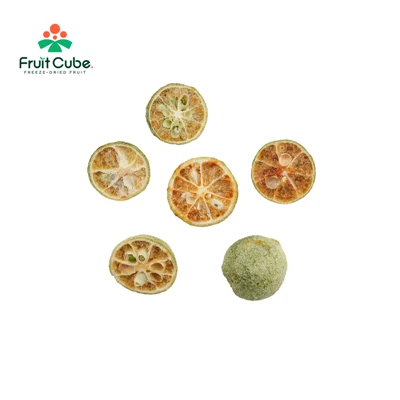
First off, let’s understand what freeze-drying is. Freeze-drying is a process where vegetables are frozen and then placed in a vacuum. The ice in the vegetables sublimates, which means it turns directly from a solid to a gas without going through the liquid phase. This process removes most of the water from the vegetables while preserving their nutritional value, flavor, and shape. When you’re ready to use these freeze-dried veggies, you need to rehydrate them, and that’s where the hot vs. cold water debate comes in.
Rehydrating with Cold Water
Let’s start with cold water. Rehydrating freeze-dried vegetables in cold water is a slow and gentle process. Cold water gradually seeps into the pores of the vegetables, allowing them to slowly absorb the water and return to a more natural state. One of the biggest advantages of using cold water is that it helps preserve the nutrients in the vegetables. Some vitamins and minerals can be sensitive to heat, and using cold water reduces the risk of nutrient loss.
For example, vitamin C is a water-soluble vitamin that can be easily destroyed by heat. By rehydrating your freeze-dried vegetables in cold water, you’re more likely to retain a higher amount of vitamin C. This is great news if you’re looking to get the most nutritional bang for your buck.
Another benefit of using cold water is that it can help maintain the texture of the vegetables. Some vegetables, like spinach or kale, can become mushy if rehydrated in hot water. Cold water allows these leafy greens to rehydrate without losing their structure, resulting in a more pleasant texture when you eat them.
However, there are also some drawbacks to using cold water. The most obvious one is the time it takes. Rehydrating in cold water can take anywhere from 30 minutes to a few hours, depending on the type and size of the vegetables. If you’re in a hurry and need to use the vegetables right away, cold water may not be the best option.
Rehydrating with Hot Water
Now, let’s talk about hot water. Rehydrating freeze-dried vegetables in hot water is a much faster process. The heat causes the water molecules to move more quickly, which allows them to penetrate the vegetables faster. This means you can have rehydrated vegetables in as little as 5 – 10 minutes.
Hot water is also great for removing any potential bacteria or contaminants that may be present on the vegetables. The high temperature can kill off most of the harmful microorganisms, making the vegetables safer to eat.
In addition, hot water can enhance the flavor of the vegetables. The heat can help release the natural flavors and aromas, making the vegetables taste more delicious. This is especially true for vegetables like onions, garlic, and bell peppers, which have strong flavors that can be intensified by hot water.
But, there are some downsides to using hot water as well. As I mentioned earlier, hot water can cause some nutrients to break down. High temperatures can destroy vitamins and minerals, reducing the nutritional value of the vegetables. Also, hot water can sometimes make the vegetables too soft or mushy, especially if you over-rehydrate them.
Factors to Consider
So, which is better? Well, it depends on a few factors. First, consider your time constraints. If you’re in a rush and need to use the vegetables immediately, hot water is probably the way to go. Just be careful not to overdo it, as you don’t want the vegetables to become too soft.
Next, think about the nutritional value. If you’re really concerned about getting all the vitamins and minerals from the vegetables, cold water is the better choice. You can always plan ahead and start rehydrating the vegetables in cold water a few hours before you need them.
The type of vegetables also matters. Some vegetables, like carrots or corn, can handle hot water better than others. They have a thicker texture and are less likely to become mushy. On the other hand, delicate vegetables like mushrooms or tomatoes may be better off rehydrated in cold water to preserve their texture.
My Experience as a Supplier
Over the years, I’ve had many customers share their experiences with rehydrating our freeze-dried vegetables. Some swear by hot water, saying it’s the quickest and most convenient way. Others prefer cold water for the nutritional benefits and the better texture.
I’ve also tried different methods myself, and I’ve found that a combination of both can sometimes work best. For example, I’ll start by soaking the vegetables in cold water for a while to let them absorb some of the water slowly. Then, I’ll pour in some hot water to speed up the process. This way, I can get the best of both worlds – the nutrient preservation of cold water and the speed of hot water.
Conclusion
In conclusion, there’s no one-size-fits-all answer to whether freeze-dried vegetables rehydrate better in hot or cold water. It really comes down to your personal preferences, time constraints, and the type of vegetables you’re using. Both methods have their pros and cons, so it’s up to you to decide which one works best for you.
Freeze-Dried Fruits If you’re interested in trying out our high-quality freeze-dried vegetables and experimenting with different rehydration methods, I’d love to hear from you. Whether you’re a food manufacturer, a restaurant owner, or just someone who loves healthy and convenient food, we can provide you with the perfect freeze-dried vegetable products. Reach out to us to start a procurement discussion and let’s find the best solutions for your needs.
References
- Smith, J. (2020). The Science of Freeze-Drying. Food Science Journal.
- Johnson, A. (2021). Nutritional Preservation in Freeze-Dried Foods. Nutrition Review.
Fruit Cube (Shandong) Food Technology Co., Ltd.
As one of the most professional freeze-dried vegetables manufacturers and suppliers in China, we’re featured by quality products and good service. Please rest assured to wholesale bulk freeze-dried vegetables for sale here from our factory. For price consultation, contact us.
Address: Room 1001, Building 2, Dongyi Cultural and Creative Park, Yihe New District, Linyi City, Shandong Province
E-mail: sales@freezedried-fruit.com
WebSite: https://www.freezedried-fruit.com/
