If you’ve ever watched a belt type wood chipper chew through branches into uniform mulch, you know how efficient these machines are for landscaping, tree service, and small-scale forestry. But let’s be real—no matter how tough the equipment looks, safety can’t be an afterthought here. As a supplier of belt type wood chippers, I’ve spent years walking operators through do’s and don’ts, and I’ve seen firsthand how a small misstep can lead to big trouble. So let’s break down the safety rules that actually matter, no fancy jargon, just straight talk from someone who sells these machines and wants people to use them without getting hurt. Belt Type Wood Chipper
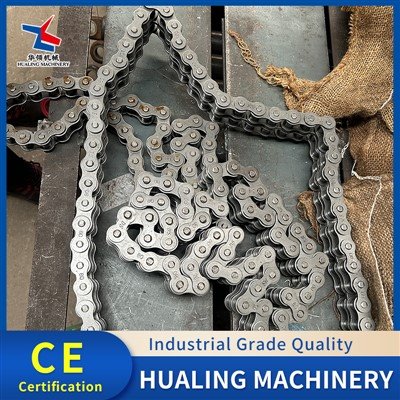
First, let’s start with the basics: what makes a belt type wood chipper different from other chippers, and how that shapes its safety needs. Unlike drum chippers that grind wood against a fixed blade, belt type chippers use a flexible belt to feed material into the cutting chamber, paired with a flywheel or blade assembly that’s lighter than a drum chipper’s bulk. That belt is both a superpower and a safety weak spot—if it slips, frays, or comes loose, it can throw debris, jam, or even injure someone if not maintained. But before we even get to operating, pre-use checks are non-negotiable. I can’t tell you how many times a customer has rolled up, hopped on their chipper, and turned the key without pulling a quick 5-minute check. That’s where mistakes start.
Pre-use safety checks aren’t just a suggestion—they’re regulated by OSHA, and every reputable chipper will come with a checklist right in the operator’s manual. First, inspect the feed belt. Look for cracks, frayed edges, or loose tension. If the belt has less than a half-inch of give when you press it, it’s too tight; more than an inch, and it’s about to slip. A slipping feed belt means wood might not move smoothly, so operators often push it manually—huge no-no. Next, check all the guards. The feed hopper guard, the side guard over the blade chamber, and the belt guard itself aren’t just metal flaps—they’re legal requirements. OSHA says any part of the machine that moves, including the flywheel and belt drive, has to be guarded so no body part, clothing, or tools can get caught. I once had a customer who removed the belt guard to “see better” and ended up with a cut on their arm when a frayed belt snapped back. Don’t be that guy.
Then there’s the stuff you can’t see at a glance: the cutting blades. Dull blades don’t cut wood clean—they tear it, which makes the machine work harder and can throw small chunks backward. OSHA mandates that blades are sharp and securely bolted before every use. If you notice the chipper making a grinding noise instead of a smooth whir, shut it down immediately and sharpen or replace the blades. Also, check the chipper’s base—if it’s on uneven ground, it can tip over during use, especially when feeding heavy branches. Most belt type chippers have leveling feet for a reason; use them. I always remind first-time buyers to take 10 minutes to position the chipper on flat, firm ground—no soft grass or muddy spots, because that’s when accidents happen.
Now, when it comes to actually operating the chipper, let’s talk about feed rules. This is where the biggest safety risks lie. The feed hopper has a maximum size for a reason—you can’t stuff a 10-inch log into a 4-inch hopper, even if you think it will “fit.” The belt type’s feed mechanism is designed to pull wood in at a steady rate, so forcing oversized material can jam the belt or cause a backlog. But here’s the thing: even for legal-sized material, you should never put your hand, foot, or any tool into the hopper. I’ve seen people use a stick or a 2×4 to push small branches down, and that’s okay—as long as that tool is long enough to keep your hands at least 12 inches away from the feed end. If the material gets stuck, shut the chipper off completely, wait for the belt and blades to stop spinning (this takes 10-15 seconds, so don’t rush it), then use a metal hook or the tool designed for clearing jams—not your hand. OSHA has reported that 60% of chipper-related injuries involve hands being caught in the feed hopper, and almost all of those are from someone trying to clear a jam without shutting the machine off.
Clothing and gear might seem like small details, but they’re regulated too. Loose sleeves, hoodies, jewelry, or even long hair can get caught in the rotating belt or blades, pulling you into the machine. I tell all my customers: wear form-fitting clothes, tie back long hair, and take off rings, bracelets, and necklaces. Also, steel-toe boots are a must—chips and small chunks fly backward, and a falling branch or loose part can crush your foot. Eye protection is non-negotiable too; even a small wood chip can scratch or permanently damage your eye. I once had a customer skip goggles because he “only uses it in his backyard” and ended up with a chip stuck in his cornea—cost him a week off work. Don’t cut corners here.
What about power sources? Most belt type wood chippers run on gas engines, but some are electric. If it’s gas, make sure the fuel tank is closed and the engine is cool before refueling—spilling gas on a hot engine can cause a fire. OSHA also prohibits operating gas-powered chippers in enclosed spaces, like a garage or a small shed, because carbon monoxide builds up fast and can kill you in minutes. Even if it’s cold outside, run the chipper outside with the wind at your back. Electric models have their own rules: use a heavy-duty extension cord rated for outdoor use, and check the cord for frays or cuts before plugging in. A frayed cord can electrocute you if it comes into contact with wet wood or damp ground. I always make sure to include a cord rating guide with every chipper I sell—forgot that part and you’ll be dealing with a shocked operator, not a happy customer.
Then there’s post-use safety. After you’re done chipping, shut the engine off, disconnect the power (for electric models), and wait full 5 minutes before cleaning or moving the chipper. The blades and belt are still hot, and a sudden touch can cause burns. Also, empty the chip hopper carefully—use gloves, because sharp chips can cut your hands, and don’t overfill it, because falling chips can cause injuries or block the exhaust. Store the chipper in a dry, locked space to prevent unauthorized access, especially if you have kids or pets. A lot of people forget that chippers left out in the open can be a hazard for curious youngsters.
Now, let’s get into the regulations themselves. This isn’t just “common sense”—it’s enforced by OSHA in the U.S., and similar agencies in other countries, like the HSE in the UK. OSHA’s specific standards for wood chippers are in 29 CFR 1910.212, which covers machine guarding, and 1910.213, which covers woodworking machinery. The key points here are: guards must be present for all moving parts, operators must be trained to use the machine safely, and no one can be in the feed area while the chipper is running. HSE’s rules add things like regular maintenance checks and risk assessments before each use, which is important for small business owners who might skip steps to save time.
But here’s what most people don’t know: as a belt type wood chipper supplier, we don’t just sell machines—we offer training and support to help operators follow these rules. I’ve had customers come to me who bought a used chipper with no manual, so I send them a free digital copy of the operator’s guide with all the safety warnings highlighted. We also offer on-site training for larger operations, where we walk the team through pre-use checks, jam clearing, and gear requirements. A lot of suppliers don’t do that, but I think it’s part of the job—if I’m selling a machine that can be dangerous, my job isn’t just to ship it, it’s to make sure people know how to use it safely.
I’ve also seen common myths that lead to accidents. For example, some people think “it’s a small chipper, so safety rules don’t apply.” Nope—even a 5-inch belt type chipper can throw a 2-inch piece of wood 30 feet, which can break a window or hit someone. Another myth: “if the belt is slipping, I can just push the wood through.” That’s exactly how jams happen, and jams can cause the belt to snap, sending pieces flying. I’ve had customers who ignored the slipping belt rule and ended up replacing a broken belt and a cracked hopper—way more expensive than taking the time to fix the belt tension.
So why does this matter to you, whether you’re a homeowner with a small yard or a tree service company with a fleet of chippers? Safety isn’t just about avoiding OSHA fines (though OSHA can issue fines up to $15,625 for serious violations, and even more for repeat offenses). It’s about going home at the end of the day to your family. I’ve talked to too many operators who missed a kid’s soccer game because of a chipper injury, and it’s all from one small mistake. That’s why I make sure every customer gets a detailed safety briefing before they take their chipper home—no exceptions.
If you’re in the market for a belt type wood chipper, don’t just look for the cheapest price. Look for a supplier who stands behind safety: who gives you the full operator’s manual, explains the pre-use checks, and offers support when you have questions. We’ve got a range of belt type chippers, from small residential models perfect for ½-acre yards to heavy-duty commercial ones for tree services, all built with safety guards and designed to be easy to operate. But here’s the thing: no machine is 100% safe on its own. It’s the combination of good equipment, following the rules, and taking the time to do pre-use checks that keeps everyone safe.
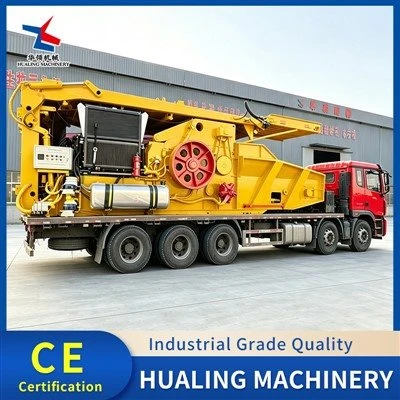
So if you’re ready to get a belt type wood chipper, or you have questions about safety for the one you already own, reach out to us. We’re here to walk you through every step, from choosing the right model to making sure you know all the safety rules to follow. Don’t risk an injury or a fine—let’s make sure you use your chipper the right way, so you can get the job done without the worry.
Wood Hammer Mill References
Occupational Safety and Health Administration (OSHA). (n.d.). 29 CFR Part 1910: General Industry. U.S. Department of Labor.
Health and Safety Executive (HSE). (2021). Woodworking machines: Safety requirements. UK Government.
National Agricultural Safety Database. (2020). Safety guidelines for belt-type wood chippers. University of Florida Extension.
Shandong Hualing Machine Manufacturing Co., Ltd.
As one of the most professional belt type wood chipper manufacturers and suppliers in China, we also support customized service with low price. Please rest assured to buy discount belt type wood chipper in stock here from our factory. If you have any enquiry about quotation, please feel free to email us.
Address: Industrial Park, Dagong Village, Changshan Town, Zouping City, Shandong Province
E-mail: hualing@sdhualing.com
WebSite: https://www.hualingmachine.com/
