As a supplier of PPR water pipes, I’ve been deeply involved in the industry for years. My daily work revolves around the production, distribution, and marketing of these pipes. Through interactions with various clients and continuous research, I’ve developed a comprehensive understanding of PPR water pipes, especially when it comes to the question: Are PPR water pipes eco – friendly? PPR Water Pipe

Understanding PPR Water Pipes
PPR, or polypropylene random copolymer, is a thermoplastic material known for its stability and durability. In the construction of modern water supply systems, PPR water pipes have become increasingly popular. They are made by copolymerizing propylene and a small amount of other olefin monomers, which results in a highly homogeneous structure.
One of the primary factors contributing to the widespread use of PPR water pipes is their exceptional performance. These pipes are resistant to corrosion, which means they do not rust or corrode when exposed to water over long periods. This property not only ensures the long – term reliability of the water supply system but also reduces the risk of contaminants entering the water. For example, in old buildings with metal pipes, rust can flake off into the water, posing a health hazard and affecting water quality. PPR pipes, on the other hand, maintain the purity of the water they carry.
PPR pipes are also flexible and easy to install. They can be connected using heat – fusion technology, which creates a seamless and leak – free joint. This installation method is not only quicker but also reduces the need for additional sealing materials, which can sometimes contain harmful chemicals.
Environmental Impact During Production
When evaluating the eco – friendliness of PPR water pipes, it’s essential to consider their production process. The production of PPR pipes involves polymerizing propylene monomers into a solid material. Compared to the production of traditional metal pipes, such as copper or steel pipes, PPR production consumes less energy.
Metallic pipe production often requires high – temperature melting and shaping processes, which demand large amounts of energy. In contrast, PPR production uses extrusion processes that operate at relatively lower temperatures, resulting in less energy consumption and reduced carbon emissions.
However, it’s important to note that the production of PPR is still reliant on fossil fuels, as propylene is derived from petroleum or natural gas. This means that there is a certain level of environmental impact associated with the raw material extraction and initial processing. Nevertheless, the situation is improving. Many manufacturers, including those in our supply chain, are working on developing more sustainable production methods. For instance, some companies are exploring the use of bio – based polypropylene, which is derived from renewable resources such as sugarcane. This would significantly reduce the carbon footprint of PPR pipe production.
Environmental Impact During Use
During the use phase, PPR water pipes offer several eco – friendly advantages. As mentioned earlier, their corrosion resistance means that they have a long service life. A well – installed PPR water pipe system can last for up to 50 years or more. This long lifespan reduces the need for frequent replacements, which in turn cuts down on the resources used for manufacturing new pipes and the waste generated from discarded old pipes.
In addition, PPR pipes have excellent insulating properties. They can effectively reduce heat loss in hot water supply systems. This means that less energy is required to maintain the desired water temperature, leading to lower energy consumption and reduced greenhouse gas emissions. For example, in a large – scale commercial building, the energy savings from using PPR pipes in the hot water system can be substantial over time.
Another aspect to consider is water conservation. PPR pipes have a smooth inner surface, which reduces frictional resistance and allows water to flow more efficiently. This not only ensures a better water pressure but also helps to reduce water waste. In comparison, pipe systems with rough inner surfaces can cause leaks and uneven water flow, leading to unnecessary water loss.
Environmental Impact at End – of – Life
At the end of their useful life, the disposal of PPR water pipes becomes a crucial environmental issue. PPR is a recyclable material. Recycling PPR pipes can significantly reduce the amount of plastic waste in landfills. The recycled PPR can be used to manufacture new pipes or other plastic products, which helps to conserve natural resources and reduce the demand for virgin materials.
However, in reality, the recycling rate of PPR pipes is not as high as it could be. One of the main barriers is the lack of awareness and proper collection systems. Many consumers and contractors are not aware that PPR pipes can be recycled, and there aren’t enough dedicated collection points for these pipes. Additionally, the recycling process requires specialized equipment and technology, which can be expensive for some recycling facilities to invest in.
As a PPR water pipe supplier, we are actively promoting the recycling of our products. We provide information to our customers about the recyclability of PPR pipes and encourage them to properly dispose of the pipes at the end of their life. We are also collaborating with recycling companies to improve the recycling infrastructure and make the process more efficient.
Comparing PPR with Other Pipe Materials
To better understand the eco – friendliness of PPR water pipes, it’s useful to compare them with other common pipe materials.
Copper Pipes: Copper pipes have been widely used in plumbing systems for a long time. They are durable and have good antibacterial properties. However, the production of copper pipes is energy – intensive. Mining and refining copper require large amounts of energy and can cause significant environmental damage, such as soil and water pollution. In addition, copper is a finite resource, and its extraction can lead to resource depletion.
PVC Pipes: PVC (polyvinyl chloride) pipes are another popular choice. While PVC is a widely used plastic, its production involves the use of chlorine, a toxic chemical. The production process can also release harmful dioxins, which are known to be carcinogenic. At the end of their life, PVC pipes are more difficult to recycle compared to PPR pipes, and improper disposal can lead to environmental pollution.
In contrast, PPR pipes offer a more balanced combination of performance and environmental friendliness. They have a relatively low environmental impact during production, offer long – term benefits during use, and have the potential for recycling at the end of their life.
Conclusion
In conclusion, PPR water pipes can be considered eco – friendly in many aspects. Their energy – efficient production, long service life, water – saving capabilities during use, and recyclability at the end – of – life all contribute to their positive environmental profile. However, there is still room for improvement, especially in terms of reducing the reliance on fossil fuels during production and increasing the recycling rate.
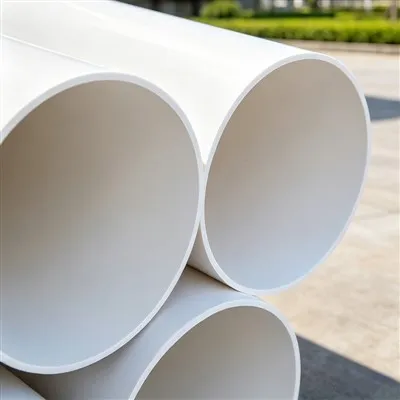
As a supplier, I am committed to promoting the use of PPR water pipes as an environmentally responsible choice. We are constantly working on improving our products and production processes to make them even more sustainable. Whether you are a contractor, a developer, or a homeowner, choosing PPR water pipes can be a step towards a more sustainable and eco – friendly water supply system.
PPR Pipe If you are interested in sourcing high – quality PPR water pipes, or if you have any questions about the eco – friendliness of our products, I’d be more than happy to have a discussion with you. Contact us to start a procurement discussion and explore how our PPR water pipes can meet your needs while contributing to a greener future.
References
- "Handbook of Polypropylene and Polypropylene Composites" by Ishwar K. Varma, Arthur J. Lesser, and Anil K. Bhowmick.
- "Plastics Recycling: Challenges and Opportunities" by various authors in the Journal of Environmental Management.
- Industry reports on the production and environmental impact of different pipe materials from leading research institutions.
Hebei Ruijie Pipe Industry Co., Ltd.
Address: Industrial Park, Shaozhuang Township, Suning County, Cangzhou City, Hebei Province
E-mail: 1987870474@qq.com
WebSite: https://www.rjpprpipe.com/
