Hey there, folks! I’m a supplier of titanium discs, and I’ve been diving deep into the world of these super – cool metal pieces. Today, I wanna talk about how coatings affect the performance of a titanium disc. Titanium Disc

Why Coat a Titanium Disc
First off, you might wonder, why the heck would we need to coat a titanium disc in the first place? Well, titanium is already an amazing material. It’s strong, corrosion – resistant, and lightweight. But there are situations where we can make it even better with a coating.
One big reason is to enhance corrosion resistance. Even though titanium is pretty good at fighting off corrosion on its own, in some really harsh environments like chemical plants or near the ocean, it can still face some challenges. A proper coating can add an extra layer of protection, making the titanium disc last even longer.
Another reason is wear resistance. In industrial applications where the titanium disc is constantly rubbing against other parts, it can start to wear down. A coating can act as a buffer, reducing friction and preventing premature wear.
Types of Coatings and Their Impacts
Ceramic Coatings
Ceramic coatings are super popular. They’re hard as nails and offer excellent wear resistance. When you coat a titanium disc with ceramic, it can handle high – pressure and high – speed applications without getting scratched up easily.
For example, in aerospace applications, where titanium discs are used in engines and other critical components, a ceramic coating can keep the disc in top shape for a long time. The ceramic coating forms a tough outer layer that can withstand the extreme heat and mechanical stress that come with flying at high altitudes.
But there are also some downsides. Ceramic coatings can be brittle. If there’s a sudden impact or shock, the coating might crack. And applying a ceramic coating can be a bit tricky. It usually requires special equipment and a controlled environment to make sure the coating adheres properly to the titanium disc.
Polymer Coatings
Polymer coatings are a bit different. They’re more flexible than ceramic coatings. One of the biggest advantages of polymer coatings is their ability to provide good chemical resistance. If your titanium disc is going to be exposed to chemicals, a polymer coating can prevent the chemicals from corroding the metal.
Polymer coatings can also be very good at reducing friction. In applications like bearings, where a titanium disc needs to rotate smoothly, a polymer coating can make a big difference. It can lower the coefficient of friction, which means less energy is wasted in the form of heat, and the disc can operate more efficiently.
However, polymer coatings might not be as durable as ceramic coatings in high – temperature environments. They can start to break down or melt if the temperature gets too high.
Metal Coatings
Metal coatings, such as nickel or chromium, are another option. These coatings can improve the electrical conductivity of the titanium disc. In electronic applications, where the disc needs to conduct electricity, a metal coating can enhance its performance.
Metal coatings can also provide additional corrosion resistance. For example, a nickel coating can form a protective layer that prevents oxygen and moisture from reaching the titanium surface.
But metal coatings can be more expensive to apply compared to polymer or ceramic coatings. And there’s also the issue of compatibility. Sometimes, the metal coating might react with the titanium over time, which could cause problems with the performance of the disc.
How Coatings Affect Specific Performance Metrics
Strength
Coatings can have an impact on the strength of a titanium disc. In some cases, a coating can actually increase the strength of the disc. For example, a ceramic coating can distribute stress more evenly across the surface of the disc, which means it can handle more load without deforming.
However, if the coating is not applied correctly or if it has poor adhesion to the titanium, it can actually weaken the disc. A loose or cracked coating can create stress concentrations, which can lead to premature failure of the disc.
Thermal Conductivity
Thermal conductivity is an important property, especially in applications where heat needs to be dissipated. Some coatings can reduce the thermal conductivity of the titanium disc. For example, polymer coatings are generally poor conductors of heat. So, if you’re using a titanium disc in a heat – transfer application, a polymer coating might not be the best choice.
On the other hand, some metal coatings can improve thermal conductivity. A copper – based coating, for example, can enhance the ability of the titanium disc to transfer heat, which can be useful in applications like heat exchangers.
Biocompatibility
In the medical field, titanium discs are often used because of their excellent biocompatibility. Coatings can either enhance or reduce this biocompatibility. Some ceramic coatings, for example, can improve the integration of the titanium disc with living tissue. They can provide a surface that is more conducive to cell attachment and growth.
However, if the coating contains toxic substances or if it releases harmful by – products over time, it can have a negative impact on biocompatibility. So, when choosing a coating for medical applications, it’s crucial to make sure it meets all the necessary safety and biocompatibility standards.
Real – World Examples
Let’s take a look at some real – world examples of how coatings have affected the performance of titanium discs.
In the oil and gas industry, titanium discs are used in valves and pumps. These discs are often coated with a ceramic coating to improve their wear resistance. The harsh conditions in oil and gas wells, with high – pressure fluids and abrasive particles, can quickly wear down an uncoated titanium disc. But with a ceramic coating, the disc can last much longer, reducing the need for frequent replacements and saving a lot of money in the long run.
In the sports industry, titanium discs are sometimes used in equipment like golf clubs. A polymer coating can be applied to the titanium disc to reduce friction and improve the feel of the club. When a golfer swings the club, the reduced friction means the disc can move more smoothly through the air, potentially increasing the distance and accuracy of the shot.
Final Thoughts and Call to Action
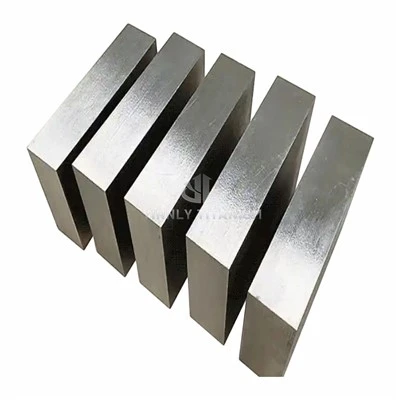
As you can see, coatings can have a huge impact on the performance of a titanium disc. Whether it’s improving corrosion resistance, wear resistance, or other properties, the right coating can make your titanium disc work better and last longer in various applications.
Titanium Pipe Fitting If you’re in the market for titanium discs and you’re wondering about the best coating options for your needs, don’t hesitate to reach out. I’ve got a lot of experience in this area, and I’d be happy to have a chat with you about how we can customize the coating on our titanium discs to meet your specific requirements. Whether it’s for industrial, medical, or sports applications, we’ve got solutions that can work for you. Just drop me a message, and let’s start a conversation about getting the best titanium discs for your projects.
References
- ASM Handbook, Volume 5: Surface Engineering. ASM International.
- Titanium: a Technical Guide. Y.-W. Kim, R. R. Boyer, and E. W. Collings. ASM International.
- Journal of Materials Science and Technology. Various issues on titanium coatings and performance.
Baoji Yinnly Titanium Co., Ltd.
Baoji Yinnly Titanium Co., Ltd. is one of the most professional titanium disc manufacturers and suppliers in China, featured by quality products and good service. Please rest assured to buy bulk titanium disc in stock here and get quotation from our factory. Customized orders are welcome.
Address: Unit 902, Building 1, Creative Building, No. 195, Gaoxin Avenue, High-tech Zone, Baoji City, Shaanxi Province
E-mail: anna@yinnlyti.com
WebSite: https://www.yinnlyti.com/
