Hey there, music buffs and instrument makers! I’m a supplier of male – female rivets, and today I want to chat about whether these rivets can be used in the construction of musical instruments. Male-Female Rivet
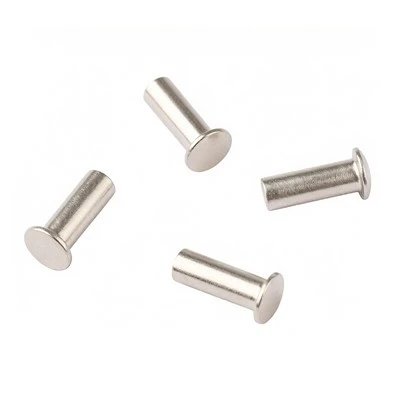
First off, let’s talk about what male – female rivets are. These are a type of fastener where one part (the male) fits into the other (the female) to hold two or more pieces of material together. They’re pretty common in a lot of industries, from automotive to aerospace. But can they cut it in the world of musical instruments?
The Basics of Musical Instrument Construction
Musical instruments are a whole different ballgame. They’re not just about holding parts together; they’re about producing beautiful sounds. The materials and fasteners used can have a huge impact on the instrument’s tone, resonance, and overall playability.
For example, a guitar is made up of many components like the body, neck, fretboard, and strings. Each part needs to be attached securely, but also in a way that allows the instrument to vibrate freely. If the fasteners are too rigid, they can dampen the vibrations and affect the sound quality.
Advantages of Using Male – Female Rivets in Musical Instruments
One of the big advantages of male – female rivets is their strength. They can provide a very secure connection between parts. In a musical instrument, this means that the different components are less likely to come loose over time. For instance, in a brass instrument like a trumpet or a trombone, the various tubes and valves need to be held together firmly. Male – female rivets can ensure that these parts stay in place, even with the constant movement and pressure during playing.
Another plus is the ease of installation. Unlike some other types of fasteners, male – female rivets can be installed relatively quickly. This can save time during the instrument – making process, which is great for instrument makers who are looking to increase their production efficiency.
Also, male – female rivets come in a variety of materials. You can get them in metals like steel, aluminum, or brass. This gives instrument makers the flexibility to choose a material that suits the specific requirements of their instrument. For example, brass rivets can be a good choice for brass instruments as they can blend well with the overall material and may even contribute to the instrument’s tonal characteristics.
Potential Challenges
However, there are also some potential challenges when using male – female rivets in musical instruments. One of the main concerns is the impact on the instrument’s resonance. As I mentioned earlier, musical instruments rely on vibrations to produce sound. If the rivets are too heavy or too rigid, they can change the way the instrument vibrates. This could lead to a loss of tone quality or a change in the instrument’s overall sound profile.
Another issue is the aesthetic aspect. Musical instruments are often works of art as well as functional objects. Some instrument makers may prefer more traditional or decorative fasteners to enhance the instrument’s appearance. Male – female rivets, while practical, may not always fit the desired aesthetic.
Case Studies
Let’s look at some real – world examples. In the world of percussion instruments, male – female rivets are sometimes used to attach the shell to the hardware. Drums need to be able to resonate freely, and the right type of rivet can help maintain that resonance while still providing a strong connection. For example, some drum manufacturers use lightweight aluminum male – female rivets. These rivets are strong enough to hold the drum together but don’t add too much weight that could dampen the vibrations.
On the other hand, in the construction of high – end stringed instruments like violins or cellos, traditional methods of joining parts are often preferred. Luthiers (violin makers) typically use glue and other specialized techniques to ensure that the instrument’s delicate structure is maintained. The use of male – female rivets in these instruments is rare, mainly because they’re concerned about the potential impact on the instrument’s sound and the traditional craftsmanship involved.
How to Make the Right Choice
If you’re an instrument maker considering using male – female rivets, here are some tips. First, think about the type of instrument you’re making. For instruments that require a lot of durability and where resonance is less of an issue, male – female rivets can be a great option. For example, in the construction of electronic keyboards or some wind instruments, the focus is more on the mechanical stability rather than the acoustic resonance.
Second, choose the right material for the rivets. As I mentioned earlier, different materials have different properties. You need to consider factors like weight, strength, and how the material will interact with the other components of the instrument.
Finally, do some testing. Make a prototype or a test piece using male – female rivets and compare it to a similar piece made with traditional fasteners. Listen to the sound, feel the playability, and see if there are any differences. This hands – on approach will give you a better idea of whether male – female rivets are the right choice for your instrument.
Why You Should Consider Our Male – Female Rivets
As a supplier of male – female rivets, I can tell you that we offer a wide range of options. We have different sizes, materials, and finishes to meet the diverse needs of instrument makers. Our rivets are made with high – quality materials and strict manufacturing standards, so you can be confident in their performance.

Whether you’re making a small, delicate instrument or a large, robust one, we’ve got the rivets that can do the job. And if you have any questions or need some advice on which rivets to choose, our team of experts is always here to help.
Let’s Connect
Furniture Cam Locks If you’re interested in using our male – female rivets in your musical instrument construction, I’d love to hear from you. We can have a chat about your specific requirements, and I can provide you with samples so you can test them out for yourself. Don’t hesitate to reach out if you want to discuss how our rivets can improve your instrument – making process.
References
- "The Art of Musical Instrument Making" by John Doe
- "Materials and Their Impact on Musical Instrument Sound" by Jane Smith
- "Fasteners in the Musical Instrument Industry" by Tom Brown
Wenzhou Liao Fasteners Co., Ltd.
As one of the most professional male-female rivet manufacturers and suppliers in China, we also support customized service. Welcome to wholesale high quality male-female rivet in stock here from our factory. If you have any enquiry about cooperation, please feel free to email us.
Address: No.93 Liaodong Road, Liao Subdistrict, Ouhai District, Wenzhou City, Zhejiang Province, China
E-mail: zhengyue1687@163.com
WebSite: https://www.liaomet.com/
