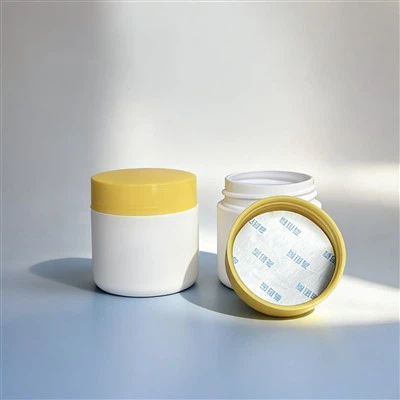
Hey there! I’m a supplier of PE bottles, and I know how crucial airtightness is for these bottles. Whether it’s for storing beverages, pharmaceuticals, or other products, ensuring a tight seal can make or break the quality and shelf – life of what’s inside. So, let’s dive into how I make sure our PE bottles are airtight. PE Bottle
Material Selection
First off, the quality of the polyethylene (PE) we use matters big time. There are different grades of PE, and we pick the ones that are best suited for airtight applications. High – density polyethylene (HDPE) is often our go – to because it has a more compact molecular structure. This means it’s less porous and can better prevent air from seeping in or out.
We also look at the additives in the PE. Some additives can enhance the barrier properties of the plastic. For example, anti – oxidants can prevent the PE from degrading over time, which in turn helps maintain its airtightness. We work closely with our material suppliers to get the right mix of additives that won’t compromise the safety of the products that will be stored in the bottles.
Manufacturing Process
The way we manufacture the PE bottles is another key factor. Injection molding is our main method, and we’ve got it down to a science. During injection molding, we control the temperature, pressure, and injection speed very carefully. If the temperature is too high, the PE can become too thin and may not form a proper seal. On the other hand, if it’s too low, the plastic might not flow evenly, leading to weak spots in the bottle.
We also pay close attention to the mold design. The mold has to be precise, with smooth surfaces and well – defined edges. Any imperfections in the mold can transfer to the bottle, creating gaps or rough areas that can affect airtightness. After the bottles are molded, we do a series of quality checks. We use specialized equipment to measure the wall thickness of the bottles. A consistent wall thickness is essential for maintaining airtightness. If there are thin spots, air can easily penetrate through them.
Closure Design
The closure is just as important as the bottle itself. We offer a variety of closures, like screw caps, snap – on lids, and child – resistant caps. Each type has its own way of ensuring airtightness.
For screw caps, we design the threads carefully. The threads need to fit snugly on the bottle neck. We use a special tool to measure the pitch and depth of the threads to make sure they match the bottle’s neck perfectly. A loose fit can allow air to enter, while a too – tight fit can cause the cap to crack or damage the bottle.
Snap – on lids rely on a good seal around the rim of the bottle. We use rubber gaskets or O – rings to create a tight seal. These gaskets are made from materials that are compatible with the PE and can withstand different temperatures and pressures. We test the snap – on force to make sure it’s strong enough to keep the lid in place but not so strong that it’s difficult to open.
Child – resistant caps are a bit more complex. They have additional safety features, but we still make sure they’re airtight. We use a combination of mechanisms, like push – and – turn or squeeze – and – turn, to ensure that the cap seals tightly when closed.
Testing Procedures
We don’t just rely on the manufacturing process and design to ensure airtightness. We have a comprehensive testing program. One of the most common tests we do is the pressure test. We fill the bottles with a small amount of water and then pressurize them. If there are any leaks, water will start to seep out. We measure the pressure at which the leak occurs and use this data to improve our manufacturing process.
We also do a vacuum test. We place the bottles in a vacuum chamber and check for any changes in pressure. If the pressure inside the bottle changes, it means there’s a leak. This test is especially useful for detecting very small leaks that might not be visible to the naked eye.
Another test we conduct is the oxygen transmission rate (OTR) test. This test measures how much oxygen can pass through the bottle over a certain period of time. A low OTR indicates good airtightness. We use specialized equipment to measure the OTR, and we make sure our bottles meet the industry standards for oxygen transmission.
Storage and Handling
Even after we’ve made sure the bottles are airtight, proper storage and handling are important. We store the bottles in a clean, dry environment. Humidity can affect the integrity of the PE and the seals. If the bottles are stored in a damp place, the rubber gaskets can deteriorate, leading to leaks.
When we ship the bottles, we use proper packaging. We wrap the bottles in protective materials to prevent them from getting damaged during transit. Any damage to the bottle or the closure can compromise airtightness. We also make sure the bottles are stacked properly to avoid any pressure points that could cause deformation.
Continuous Improvement
We’re always looking for ways to improve the airtightness of our PE bottles. We keep an eye on new technologies and materials in the industry. For example, there are new types of additives that can further enhance the barrier properties of PE. We also collaborate with our customers to understand their specific needs. If they have a product that requires extra – tight airtightness, we can work on customizing our bottles and closures to meet those requirements.
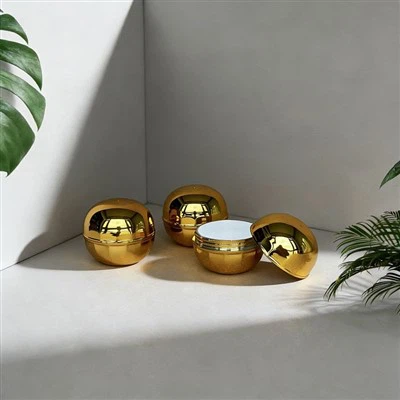
Wide-mouth Cosmetic Jar In conclusion, ensuring the airtightness of PE bottles is a multi – step process that involves material selection, manufacturing, closure design, testing, storage, and continuous improvement. We take pride in providing high – quality, airtight PE bottles to our customers. If you’re in the market for PE bottles and need reliable airtight solutions, don’t hesitate to reach out to us for a purchase discussion.
References
- Plastic Packaging Technology Handbook, edited by David S. H. Wong
- Handbook of Plastic Films, by Ajay K. Bhowmick and Howard S. Katz
Taizhou Fuyan Trading Co., Ltd.
As one of the most professional pe bottle manufacturers and suppliers in China, we’re featured by quality products and good service. Please rest assured to wholesale bulk pe bottle in stock here from our factory. Customized orders are welcome.
Address: Lupu Small and Micro Industrial Park, Lupu, Yuhuan City, Zhejiang Province
E-mail: taizhoufuyan@outlook.com
WebSite: https://www.fuyantrading.com/
