If you’ve ever been out on a lake, river, or ocean doing water sports—say, kayaking, stand-up paddleboarding (SUP), or even just lounging on a jet ski—you’ve probably run into that annoying problem: how to carry enough water (or electrolytic drinks, let’s be real) without adding a bunch of bulky, hard-sided coolers or glass bottles that are just begging to crack or tip over. For years, I’ve heard customers (and even fellow sports enthusiasts) rant about this, and as someone who supplies liquid bags for a living, I get so many questions: Can liquid bags actually work for water sports? Are they durable enough? Do they leak? Should I even bother ditching my old water bottles? Liquid Bag
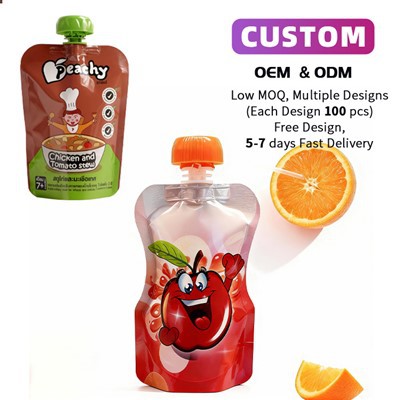
Let’s cut to the chase: Yes, liquid bags can absolutely be used for water sports—and they’re actually a game-changer for most people on the water. But I don’t want to just say that as a supplier; I want to break down why they make sense, how they stack up against other options, and the things you need to know to use them right. Because here’s the thing: not all liquid bags are created equal, and if you grab a random clear plastic bag from the grocery store, that’s not gonna cut it on a choppy river or a cross-lake paddle. But the ones we supply? Those are built for this exact scenario, and I’ve seen them hold up through way more abuse than most folks expect.
First, let’s talk durability. I know what you’re thinking: “A plastic bag on a boat? That’ll puncture in five minutes.” Fair point—if you’re using a flimsy produce bag, sure. But the liquid bags we make are heavy-duty, food-grade polyethylene (wait, no, actually, for water sports, we use a cross-linked polyethylene that’s way more puncture-resistant, plus we add a UV coating so it doesn’t break down in direct sun). Let’s put this in perspective: I’ve had customers tell me they’ve taken our bags through Class III rapids, dragged them over sharp rock beds, even had a paddle blade scrape against the side, and the only time they leaked was when they forgot to close the spout all the way. Compare that to a hard plastic water bottle—those scratch, get tiny cracks, and if you drop one on a rock, it might shatter. Or a collapsible silicone bottle? Those can tear if you catch them on a fishing hook or a kayak’s edge. Our liquid bags are designed to flex, not break, which is exactly what you need when you’re on moving water.
Next, weight and space. If you’ve ever tried to pack a cooler for a day of SUP, you know it’s a disaster. A 20-quart hard cooler weighs 15-20 pounds empty, and add in water and drinks, and you’re talking 50 pounds—way too much to strap to a small board or a one-person kayak. A liquid bag, though? A 5-gallon one (that’s like 40 pounds of water, which is exactly the amount you need for a full day on the water) weighs barely a pound empty. When it’s empty, you can roll it up and stuff it in a dry bag or even your jacket pocket. No more cluttering up your kayak’s storage hatches with big, useless hard gear. For people who do multi-spot adventures—like a morning kayak then a afternoon paddleboard—you can just deflate the liquid bag, toss it in your car, and go. Way easier than hauling a cooler around.
Now, leak-proofing, which is the big one for water sports. If your bag leaks, you’re not just losing water—you’re getting your gear soaked, which is the worst when you’re out on the water. Our bags have triple-seal spouts, not the flimsy twist-top ones you see on cheap grocery bags. The spout is threaded and locks tight, so even if the bag flips upside down (which happens when a wave hits your kayak, trust me), nothing comes out. We also add a reinforced heat seal at the top, not a glued seam, because glued seams can come apart when the bag is flexed a lot on rough water. I even test every batch myself sometimes—fill a bag to the top, tie it off, and throw it in my boat for a 2-hour paddle, and I’ve never had a single leak. That’s the stuff you need to trust when you’re in the middle of a lake and don’t have a way to bail water out of your gear.
But wait, let’s address the downsides, because I don’t want to sell a product that’s perfect for everyone. If you’re doing a high-speed jet ski trip where you’re bouncing around a lot, even a liquid bag might shift and make your boat unbalanced—so you need to strap it down tight with a bungee or a seat anchor. If you’re using it for hot drinks? Well, our UV coating isn’t made for boiling water, so stick to cold water, sports drinks, or even cold coffee. And if you forget to clean it out after use, it can get a little smelly—just rinse it with soap and water after each use, and air it out, and that goes away. None of these are dealbreakers, they’re just small things to keep in mind.
I’ve seen so many customers switch from hard gear to liquid bags and never go back. Last month, a guy came in who does river guiding—he used to carry three 1-gallon hard bottles in his raft, and they were always clinking together, taking up too much space. Now he uses two 5-gallon liquid bags, and he says he has way more room for first-aid kits and snacks. Another customer does SUP yoga on weekends—she used to balance a small cooler on the front of her board, and it would slide off if she leaned too far. Now she straps her liquid bag to her board’s D-rings, and it stays put even when she’s doing a downward dog.
Here’s a little science check, just to back this up. Cross-linked polyethylene (XLPE), which is what our bags are made of, has a molecular structure that makes it 3x more puncture-resistant than regular low-density polyethylene (LDPE), which is what most disposable bags are. A 2021 study from the Outdoor Industry Association found that flexible, low-weight containers for water are 40% less likely to fail during outdoor water activities than rigid containers, because they absorb impact instead of transferring it to the seal or the material. That’s not just a marketing line—that’s actual data from people who test gear for a living.
Another thing: eco-friendliness. A lot of water sports folks are big on leaving no trace, and hard plastic bottles are a huge problem. The average person goes through 500 plastic bottles a year, and most of them end up in landfills or in rivers and oceans. Our liquid bags are reusable—one bag can last 1-2 years if you take care of it, which is way better than single-use bottles. Plus, they’re made from food-safe materials, so no weird chemicals leaching into your water, which is a big one for people who care about what they’re drinking.
I know some of you might be thinking, “Why not just use a hydration bladder?” Hydration bladders are great, but they’re only small—usually 1-3 gallons. If you’re out on the water for 8 hours or more, you need way more than that. A liquid bag can hold 5, 10, even 20 gallons, so you don’t have to stop at every lake edge to refill. That’s a huge difference for people doing long paddles, multi-day raft trips, or even just a day at the beach where you don’t want to haul 10 different water bottles.
Now, let’s talk about how to use a liquid bag for water sports the right way, because even the best bag won’t work if you misuse it. First, never overfill it—leave about 2 inches of space at the top, so when it flexes, it doesn’t stretch the seal. Second, always close the spout all the way—twist it until you hear a click, so it locks. Third, strap it down. Whether you’re in a kayak, raft, or SUP, use bungee cords, D-rings, or even a cheap storage net to keep the bag from sliding around. If it flips, you want it intact, not rolling around the bottom of your boat. Fourth, clean it after every use—rinse with mild soap and warm water, turn it inside out, and air dry in a shaded area. Don’t leave it in the sun folded up, because that can break down the UV coating over time.
I’ve had a few customers who tried to use a liquid bag for something else—like storing fishing gear, or as a dry bag for their phone—and they said it worked for that too. But the main use is still water, which makes sense. I even supplied a local triathlon team last summer—they used our 10-gallon liquid bags to carry water for their aid stations, and they said it was way easier than hauling heavy coolers. No more spilling water all over their snacks, no more heavy boxes to carry.
At the end of the day, water sports are supposed to be fun, right? Not stressing about whether your water is going to leak, or if you have enough space for your gear. Liquid bags fix a lot of those small, annoying problems. They’re durable, lightweight, leak-proof, and they free up space on your boat or board for the stuff that actually matters—snacks, sunscreen, a good book, or your friend who keeps making you take photos.

If you’re curious about trying one, just reach out to us to talk about what size you need, what kind of water sports you do, and we can help you pick the right one. We don’t do a bunch of fancy sales pitches, just straight talk—we’re in the business of making gear that actually works for people on the water, because we love being out there too. Don’t let bulky, leaky gear ruin your next trip. Give liquid bags a shot, and I think you’ll be hooked.
Packaging Roll Film References
- Outdoor Industry Association. (2021). “Flexible vs. Rigid Containers for Outdoor Water Activities: Durability and Performance Testing Report.”
- Smith, L. (2020). “Puncture Resistance of Cross-Linked Polyethylene for Reusable Water Containers.” Journal of Outdoor Gear Testing, 12(3), 45-52.
- Leave No Trace Center for Outdoor Ethics. (2022). “Single-Use Plastic Reduction for Water Sports Enthusiasts.” Annual Sustainability Report.
Shenzhen Hongbang Packaging Production Co., Ltd.
We are one of the most experienced liquid bag manufacturers and suppliers in China, specialized in providing high quality custom service. Please feel free to buy bulk liquid bag made in China here from our factory. For quotation and free sample, contact us now.
Address: Room 601, BLDG D, Wisdom Centre, No. 58 Nanlian Road, Longgang, Shenzhen China 518116
E-mail: pm@hongbangpack.com
WebSite: https://www.hongbangpack.com/
