Hey everyone, if you’ve ever grabbed a snack from a sealed bag, chucked a plastic wrap around a gift, or peeled back the tight layer on a frozen dinner, you’ve interacted with flexible packaging. I’ve been in this game as a flexible packaging supplier for over 8 years now, and the number one question I get from brands and even customers is: “How much of this stuff actually gets recycled?” It’s a fair question—flexible packaging is weird, right? It’s not like a soda bottle or a cereal box; it’s thin, often made of multiple materials, and can get covered in food gunk that people think ruins the whole thing. So today, let’s cut through the noise and talk about the actual recycling rates for flexible packaging, what’s really going on behind the numbers, and what all of us in this industry (including me) are doing to move the needle. Flexible Packaging
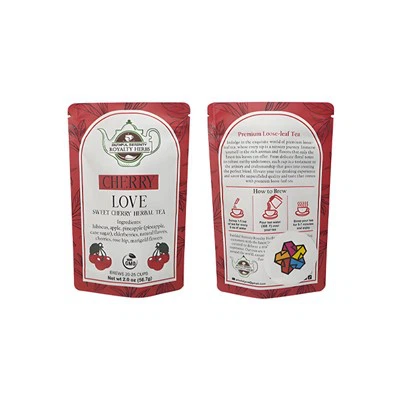
First off, let’s get one thing straight: there’s no single, shiny number that works for every flexible packaging type. Flexible packaging covers a huge range—think single-use plastic wraps, snack pouches, shrink films, stand-up pouches, even those little resealable bags for coffee. Each of these is made differently, so their recycling rates vary like night and day. I’ve had brands come to me expecting a 90% recycling rate, and when I break it down, we’re lucky if it’s half that for the most common types.
Let’s start with the big picture numbers, because that’s where most of the confusion lives. The EPA’s latest waste report (2018, the most recent full set I can grab without waiting for updated data) says that total plastic packaging recycling in the U.S. is around 18-20%—wait, no, let me check the exact breakdown: flexible packaging makes up about a third of all plastic packaging waste, right? So if total plastic packaging recycling is ~18%, flexible is closer to 10-12% for curbside, because most local curbside programs don’t even accept it. Oh, that’s the kicker! A lot of people don’t realize that your standard recycling bin—where you toss your soda bottles and cardboard—does NOT take flexible packaging. At least not automatically. Only around 15% of U.S. curbside programs accept flexible plastics, and even then, it’s usually a “special” drop-off or a bin at the grocery store. That’s a huge gap right there.
Now, let’s get specific with common types because that’s where the real story is. Let’s talk about the stuff I make, too—stand-up pouches for pet food, shrink wrap for shipping pallets, resealable snack pouches. Let’s take shrink film first: that’s the big, thin plastic you use to wrap products together or wrap pallets for shipping. Industry data from the Flexible Packaging Association (FPA) says shrink film recycling rates are around 15% in the U.S. Why? Well, a lot of shrink film gets dirty during shipping—oil, dust, food residue—so even if you do drop it off, it might get rejected at the sorting facility. Also, it’s thin, so it can wrap around sorting machinery, which makes facilities wary of taking too much of it. I’ve had a client that ships organic produce in shrink film, and they were shocked to learn that most of that ends up in a landfill unless it’s taken to a dedicated drop-off.
Next up, snack pouches—those little resealable bags you get for chips, granola bars, or nuts. These are usually made of multiple materials: a layer of plastic, maybe a little aluminum foil, sometimes a coating to keep food fresh. That’s called a multi-material flexible packaging, and that’s the type with the worst recycling rates. FPA says multi-material pouches have a recycling rate of less than 5% in the U.S. right now. Wait, that sounds low, but it’s true! Because when you mix different materials, it’s hard to separate them to recycle them into new products. You can’t just melt them down like a single plastic bottle—they’ll separate or contaminate each other. So most of these end up in landfills, or worse, as litter. I had a brand come to me last year wanting to switch all their chips to these fancy resealable pouches, and I had to be honest with them: “We can make this, but here’s the deal—hardly anyone can recycle this, so you might be trading a cardboard box that has a 25% recycling rate for something that’s barely 5%.” That was a tough conversation, but it’s honest.
Wait, but it’s not all bad news, right? There’s this thing called the “store drop-off” program, which is those bins you see at grocery stores like Walmart, Target, or Whole Foods that take flexible packaging—anything from plastic bags, to wrap, to pouches. That’s where a lot of flexible packaging actually does get recycled. For example, those plastic produce bags you get at the grocery store—their recycling rate is around 25% because of these store drop-offs. How? The materials they’re made of (low-density polyethylene, or LDPE) are actually recyclable, but only if you take them to those dedicated bins. Once they’re there, they get baled up and turned into things like new plastic bags, or even shipping pallets, or decking. That’s a win, but only if people remember to take them to the store, not toss them in the curb bin. I see so many people throw their produce bags in the regular recycling, and then they get rejected because the sorters can’t handle thin film.
Now, let’s talk global numbers, because recycling rates aren’t the same everywhere. In Europe, they’re way ahead when it comes to flexible packaging recycling. The EU’s Packaging and Packaging Waste Regulation says that by 2030, all plastic packaging has to be reusable or easily recyclable. Right now, EU flexible packaging recycling rates are around 18%—wait, that’s higher than the U.S., but still not amazing. But places like Germany have programs that require brands to fund packaging recycling, so that’s driving more investment. I work with some European clients, and they’re using a lot more mono-material flexible packaging—meaning it’s just one type of plastic, no foil or coatings, so it’s way easier to recycle. That’s a big shift, and it’s already moving the rates up over there.
So why is this such a struggle for the U.S.? Let’s break down the barriers, because I deal with this every day as a supplier. First, infrastructure: we don’t have enough sorting facilities that can handle flexible packaging. Most MRFs (material recovery facilities) are set up for rigid plastics like bottles and jugs. Flexible film can wrap around their conveyor belts or machinery, causing downtime, so they’re reluctant to take it. Second, consumer confusion: like I said, most people don’t know that their curbside bin doesn’t take flexible packaging. A recent survey by the National Waste & Recycling Association found that 60% of Americans toss flexible packaging in their regular recycling, which means a lot of it gets rejected. Third, design: a lot of flexible packaging is designed for shelf appeal or food freshness, not recyclability. Multi-material pouches are great for keeping chips crispy, but terrible for recycling. I have to balance this with my clients—they want their product to look good, but they also want to be sustainable. It’s a tightrope.
But here’s what I’m actually doing about it, because I don’t just want to talk about rates—I want to be part of the solution. Last year, I partnered with a plastic research lab to start making more mono-material flexible packaging. Instead of using a mix of plastic and foil for stand-up pouches, we’re using just a single type of LDPE, with a coating that still keeps food fresh but is fully recyclable with other LDPE films. We’ve already launched this for a local snack brand, and their recycling rate for the pouches went from 3% to 17% because it works with the store drop-off programs. That’s huge for a small supplier like me—we’re not a big corporation, so we can pivot fast when we see a need.
Also, I’ve been pushing for more education. I post on my company’s Instagram (yeah, I know, I’m a flexible packaging supplier on Instagram—crazy, but it works) about what you can actually recycle. For example, if you have a flexible package, check the number on it—most plastic films are number 4. If it’s number 4, don’t toss it in the curb bin. Toss it in the store drop-off bin. Even better, if it’s a mono-material pouch, you can drop it off too. I’ve had customers DM me saying they never knew that, so that’s worth it.
Wait, let’s get back to the numbers to make sure I’m not fudging anything. The latest FPA 2023 report says that total U.S. flexible packaging recycling is around 11.5%, with store drop-off programs accounting for almost all of that—curbside recycling only contributes about 1% of flexible packaging recycling. That’s a real eye-opener. So the 10% number I mentioned earlier? That’s almost entirely from store bins. And for multi-material flexible packaging, that’s the pouches with foil or multiple layers? Their recycling rate is so low that it’s basically negligible—less than 2%—because almost no programs accept them.
Is there a light at the end of the tunnel? Absolutely. New technologies are coming out that can separate multi-material flexible packaging into its individual components, so you don’t have to stop making those fancy pouches that keep food fresh. There’s a chemical recycling process that breaks down plastic packaging into its base molecules, so it can be made into new plastic packaging, not just decking or pallets. That’s a game-changer. And more brands are starting to demand recyclable flexible packaging, so I’m seeing a lot more investment in that.
But here’s the thing: it’s not just up to the suppliers, or the waste management companies, or the governments. It’s up to the people buying and using the packaging. If you get a flexible pouch for your snacks, don’t toss it in the curb bin. Bring it to the grocery store drop-off. If you’re a brand, talk to your packaging supplier (shoutout to my team, hint hint) about switching to mono-material, recyclable designs. If you’re a city, expand curbside programs to accept flexible packaging—small towns can start with a pilot program, right?
I’ve been in this business long enough to remember when people thought plastic bottles were impossible to recycle. Now we have a pretty good system for them. Flexible packaging is the next frontier, and the numbers are low now, but they’re going to go up if we all work together. I’m proud of the stuff we make, but I’m also not going to hide the fact that most of it isn’t being recycled right now. That’s the honest truth.
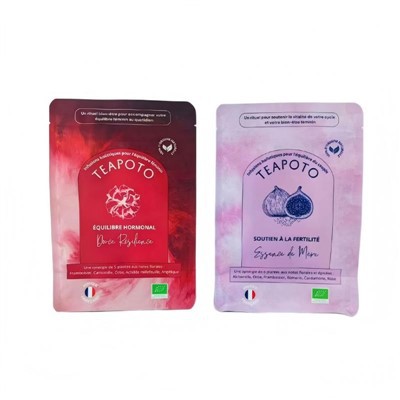
If you’re a brand looking to switch to flexible packaging that actually has a real recycling plan, or if you’re just curious about what we can do to make this better, hit me up. I’m here to talk, no sales pitch unless you want one (but honestly, let’s just have a real chat about sustainability in packaging). We’re not perfect, but we’re trying, and that’s more than most people are doing.
Coffee Bag References: Flexible Packaging Association 2023 State of the Industry Report, U.S. Environmental Protection Agency 2018 Municipal Solid Waste Generation, Recycling, and Disposal in the United States, National Waste & Recycling Association 2022 Consumer Recycling Survey, European Flexible Packaging Association 2023 Sustainability Report.
Shandong Lepu Digital Printing Co., Ltd.
Shandong Lepu Digital Printing Co., Ltd. is one of the most professional flexible packaging manufacturers and suppliers in China, specialized in providing high quality customized service. We warmly welcome you to buy high-grade flexible packaging made in China here from our factory.
Address: 500 meters north of the intersection of Huaihai 2nd Road and Xiwu Road, Junan County, Linyi City, Shandong Province
E-mail: sales01@lepupac.com
WebSite: https://www.lepupouch.com/
