Hey there! I’m a supplier of limestone powder, and I get this question a lot: "How much limestone powder should be added to animal feed?" It’s a crucial topic because getting the dosage right can have a huge impact on the health and productivity of your animals. Limestone Powder
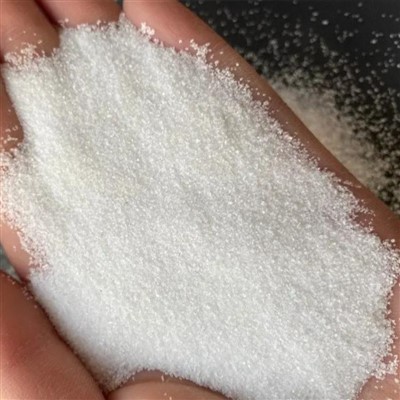
Let’s start by understanding why we add limestone powder to animal feed in the first place. Limestone is a great source of calcium, which is essential for animals. Calcium plays a vital role in bone development, muscle function, and blood clotting. In chickens, for example, it’s super important for eggshell formation. Without enough calcium, the eggshells can be thin and brittle, which is a big no – no for both the health of the hen and the quality of the eggs.
When it comes to different types of animals, the appropriate amount of limestone powder varies significantly.
For Poultry
For laying hens, you generally want to aim for a calcium content of around 3.5% to 4% in their diet. Limestone powder is a cost – effective and easily available way to meet this calcium requirement. You can start by adding about 7% to 8% limestone powder to their feed. This might seem like a high percentage, but remember, laying hens have a very high demand for calcium. Every time they lay an egg, they use a significant amount of calcium to form the shell. As the hens get older, their calcium absorption might decrease a bit, so you might need to adjust the amount of limestone powder slightly.
Broilers, on the other hand, have different needs. Since they are raised mainly for meat production, they don’t have the same calcium requirements as laying hens. You can add about 1% to 1.5% limestone powder to their feed. This amount is enough to support their normal bone development and growth. Broilers grow really fast, and proper bone development is crucial to avoid leg problems and other health issues.
For Swine
Pigs also need calcium for healthy bones and overall growth. For growing pigs, you can add around 0.8% to 1.2% limestone powder to their feed. Piglets have a relatively higher demand for calcium in the early stages of their growth. As they get older and closer to market weight, the calcium requirement doesn’t increase linearly, so you can adjust the amount of limestone powder accordingly.
For sows, the situation is a bit different. During pregnancy and lactation, sows need a lot of calcium. You can increase the limestone powder in their feed to about 1.2% to 1.5%. This extra calcium is important for the development of the piglets inside the sow’s womb and for milk production during lactation.
For Ruminants (Cows, Sheep, and Goats)
Ruminants like cows, sheep, and goats have a complex digestive system. They need calcium for bone health, muscle function, and milk production (in dairy cows). For beef cattle, you can add about 0.5% to 1% limestone powder to their feed. This helps in maintaining proper bone density and muscle function.
Dairy cows have a much higher calcium requirement because they are constantly producing milk, which is rich in calcium. You can add around 1% to 1.5% limestone powder to their diet. During peak lactation, you might even need to increase it slightly to make sure they have enough calcium to support milk production without depleting their own calcium stores in the bones.
Sheep and goats have similar calcium needs to cattle, but on a smaller scale. For growing sheep and goats, you can add about 0.6% to 1% limestone powder to their feed. And for lactating ewes and does, you can increase it to about 1% to 1.3%.
Now, determining the exact amount of limestone powder to add isn’t just about following these general guidelines. There are several factors that you need to take into account.
Quality of the Limestone Powder
The quality of the limestone powder matters a lot. High – quality limestone powder has a higher calcium content and better bioavailability. That means the animals can absorb the calcium more easily. If you’re using low – quality limestone powder, you might need to add more of it to achieve the same calcium levels in the animal’s diet. When you’re sourcing limestone powder, make sure to get it from a reliable supplier (hint: like me!) who can provide you with a quality analysis report.
Other Ingredients in the Feed
The other ingredients in the animal feed can also affect the amount of limestone powder you need to add. Some feeds might already contain some calcium from other sources like bone meal or fish meal. If that’s the case, you can reduce the amount of limestone powder accordingly. On the other hand, if the feed is low in calcium, you’ll need to increase the amount of limestone powder. You should also consider the presence of other minerals in the feed, as they can interact with calcium. For example, high levels of phosphorus can interfere with calcium absorption, so you might need to adjust the calcium – to – phosphorus ratio by adding more limestone powder.
Animal’s Health and Age
The health and age of the animal play a big role in determining the calcium requirement. Young animals are growing rapidly and need more calcium for bone development. Sick or stressed animals might have a reduced ability to absorb calcium, so you might need to increase the amount of limestone powder slightly. Older animals, especially those that are approaching the end of their productive life, might also have different calcium needs.
It’s always a good idea to consult a veterinarian or an animal nutritionist. They can help you analyze your specific situation, including the type of animals you have, the quality of the feed, and the environmental conditions. They can then give you personalized advice on how much limestone powder to add to your animal feed.
I’ve been in the limestone powder business for a while now, and I’ve seen firsthand how the right amount of limestone powder can make a difference in the health and productivity of animals. My limestone powder is sourced from high – quality limestone deposits. It’s finely ground, which means better absorption by the animals. And I test my products regularly to ensure that the calcium content meets the highest standards.
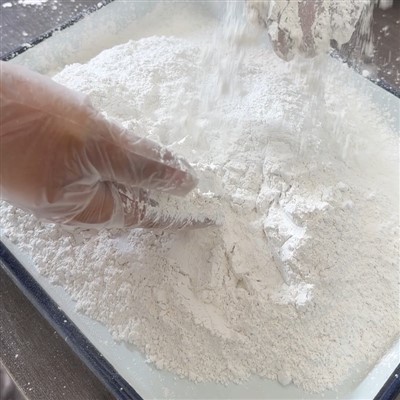
If you’re an animal farmer or a feed manufacturer, and you’re looking for a reliable supply of limestone powder, you’ve come to the right place. I’m here to help you figure out the perfect dosage for your animals and provide you with top – notch limestone powder. Just get in touch with me, and we can discuss your specific needs and work out a great deal. Whether you have a small backyard flock or a large commercial farm, I’ve got the solution for you.
Hydrated Lime Powder References
- "Animal Nutrition" by P. McDonald, R. A. Edwards, and J. F. D. Greenhalgh.
- "Poultry Science" journal articles on calcium requirements in poultry.
- "Swine Nutrition Guide" published by the National Pork Board.
- Research papers on ruminant nutrition from universities and agricultural research institutions.
Chaohu Jirun Energy Conservation and Environmental Protection Technology Co., Ltd.
We’re well-known as one of the leading limestone powder manufacturers and suppliers in China, also support customized service. Welcome to wholesale high quality limestone powder in stock here from our factory. If you have any enquiry about pricelist, please feel free to email us.
Address: No. 9, north of the intersection of Weihai Road and Weili Avenue, within the industrial park of Yinping Town, Chaohu City, Hefei City, Anhui Province.
E-mail: 13305654485@163.com
WebSite: https://www.chaohujirun.com/
