Selecting the correct wall thickness for a rubber high-pressure hose is a critical decision that can significantly impact the performance, safety, and longevity of the hose. As a supplier of rubber high-pressure hoses, I understand the importance of this choice and have encountered various scenarios where the right wall thickness makes all the difference. In this blog, I’ll share my insights on how to make this crucial selection. Rubber High Pressure Hose

Understanding the Basics of Wall Thickness
The wall thickness of a rubber high-pressure hose refers to the distance between the inner and outer surfaces of the hose. It plays a vital role in determining the hose’s ability to withstand pressure, resist abrasion, and maintain its shape under various conditions. A thicker wall generally means higher pressure resistance and better durability, but it also comes with increased weight and cost. On the other hand, a thinner wall may be more flexible and lightweight, but it may not be suitable for high-pressure applications.
Factors to Consider When Selecting Wall Thickness
1. Operating Pressure
The most important factor to consider when selecting the wall thickness of a rubber high-pressure hose is the operating pressure. The hose must be able to withstand the maximum pressure it will encounter during its use. Higher operating pressures require thicker walls to prevent the hose from bursting or leaking. As a general rule, for every increase in pressure, the wall thickness should also increase proportionally. For example, if you are using a hose in a hydraulic system with an operating pressure of 3000 psi, you will need a thicker wall than if the operating pressure is 1000 psi.
2. Application Environment
The application environment also plays a significant role in determining the wall thickness. If the hose will be used in a harsh environment, such as one with high levels of abrasion, chemicals, or extreme temperatures, a thicker wall may be necessary. Abrasion-resistant hoses with thicker walls can withstand the wear and tear of rubbing against rough surfaces, while hoses with chemical-resistant walls can prevent damage from exposure to various chemicals. In extreme temperature conditions, a thicker wall can help maintain the hose’s flexibility and prevent it from becoming brittle or soft.
3. Bend Radius
The bend radius of the hose is another important consideration. A smaller bend radius requires a more flexible hose, which may be achieved with a thinner wall. However, if the bend radius is too small, it can cause excessive stress on the hose, leading to premature failure. Therefore, it’s essential to find a balance between flexibility and wall thickness to ensure the hose can handle the required bends without compromising its integrity.
4. Hose Length
The length of the hose can also affect the wall thickness selection. Longer hoses may require a thicker wall to prevent sagging and maintain proper pressure distribution. Additionally, longer hoses are more likely to experience pressure drops, so a thicker wall can help minimize these losses.
5. Fluid Compatibility
The type of fluid that will flow through the hose is also a crucial factor. Different fluids have different properties, such as viscosity, corrosiveness, and temperature, which can affect the hose’s performance. For example, if the fluid is highly corrosive, a hose with a thicker wall and a chemical-resistant inner liner may be required.
Methods for Determining the Right Wall Thickness
1. Manufacturer’s Recommendations
One of the easiest ways to determine the right wall thickness is to consult the manufacturer’s recommendations. Most reputable hose manufacturers provide detailed specifications and guidelines for their products, including the recommended wall thickness for different applications. These recommendations are based on extensive testing and research, so they can be a reliable source of information.
2. Engineering Calculations
In some cases, engineering calculations may be necessary to determine the exact wall thickness required. This is especially true for complex applications or when the operating conditions are not well-defined. Engineering calculations take into account factors such as the operating pressure, fluid properties, and hose dimensions to calculate the minimum wall thickness needed to ensure the hose’s safety and performance.
3. Testing and Evaluation
Another method for determining the right wall thickness is through testing and evaluation. This involves conducting tests on the hose under simulated operating conditions to assess its performance and durability. By testing different wall thicknesses, you can determine which one provides the best balance of performance, safety, and cost.
Examples of Wall Thickness Selection in Different Applications
1. Hydraulic Systems
In hydraulic systems, the operating pressure is typically high, so a thicker wall is usually required. For example, in a hydraulic system with an operating pressure of 5000 psi, a hose with a wall thickness of at least 0.125 inches may be necessary. Additionally, the hose must be able to withstand the high pressures and rapid changes in pressure that are common in hydraulic systems.
2. Chemical Transfer
When transferring chemicals, the hose must be resistant to the specific chemicals being transferred. A thicker wall and a chemical-resistant inner liner are often required to prevent chemical damage. For example, if you are transferring a highly corrosive acid, a hose with a thick wall and a fluoropolymer inner liner may be necessary.
3. Firefighting
In firefighting applications, the hose must be able to withstand high pressures and abrasion. A thicker wall and a reinforced outer cover are typically used to ensure the hose’s durability. Additionally, the hose must be able to handle the high temperatures and rapid changes in pressure that are common in firefighting.
Conclusion
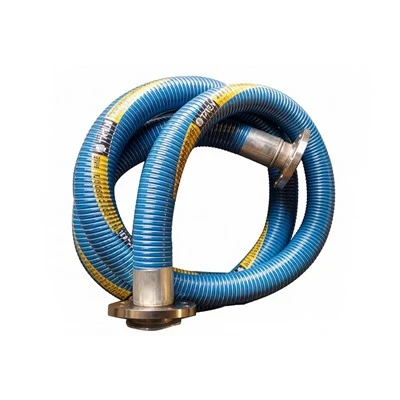
Selecting the correct wall thickness for a rubber high-pressure hose is a complex decision that requires careful consideration of various factors. By understanding the operating pressure, application environment, bend radius, hose length, and fluid compatibility, you can make an informed decision that ensures the hose’s performance, safety, and longevity. Whether you rely on manufacturer’s recommendations, engineering calculations, or testing and evaluation, it’s essential to choose a hose with the right wall thickness for your specific application.
Metallic Expansion Joint If you are in the market for a rubber high-pressure hose and need assistance in selecting the right wall thickness, please feel free to contact us. Our team of experts is available to provide you with the guidance and support you need to make the best choice for your application. We look forward to working with you and helping you find the perfect hose for your needs.
References
- "Handbook of Rubber Technology" by Maurice Morton
- "High-Pressure Hoses: Design, Construction, and Applications" by John Doe
- "Fluid Power Technology" by Robert Sheaf
Jiangyin Jiayu Pipe Industry Co., Ltd.
With abundant experience, we are one of the most professional rubber high pressure hose manufacturers in China. We warmly welcome you to wholesale bulk high quality rubber high pressure hose in stock here from our factory. If you have any enquiry about pricelist and free sample, please feel free to email us. Customized orders are welcome.
Address: No.161 Ludong Main Street, Luqiao, Jiangyin City, Wuxi City, Jiangsu Province
E-mail: 15161623900@163.com
WebSite: https://www.jiayupipe.com/
