As a supplier of Cooper Joy Compressor Coolers, I often encounter inquiries from customers about the application scenarios of our products, especially whether they can be used in low – temperature environments. In this blog, I will delve into this topic based on our in – depth understanding of the product and industry knowledge. Cooper Joy Compressor Cooler
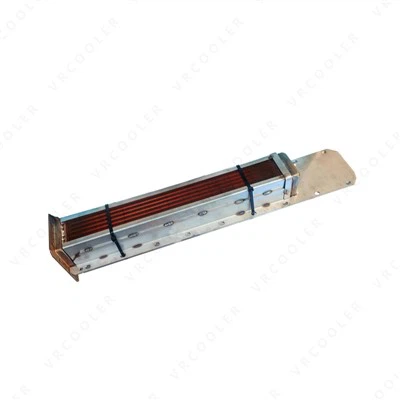
Understanding the Cooper Joy Compressor Cooler
Before discussing its performance in low – temperature environments, let’s first understand what the Cooper Joy Compressor Cooler is. It is a high – quality cooling device designed to maintain the optimal operating temperature of compressors. The cooler works by dissipating the heat generated during the compression process, ensuring the compressor operates efficiently and reliably.
The Cooper Joy Compressor Cooler is engineered with advanced technology and high – quality materials. It features a well – designed heat exchange system that maximizes the transfer of heat from the compressor to the surrounding environment. The cooler’s construction is robust, allowing it to withstand the rigors of continuous operation.
General Operating Conditions
Under normal circumstances, the Cooper Joy Compressor Cooler is designed to operate within a certain temperature range. The standard operating temperature for most of our models is typically between 0°C and 40°C. This range is determined based on the physical properties of the materials used in the cooler, as well as the performance requirements of the compressor it serves.
Within this temperature range, the cooler can function optimally. The heat transfer process is efficient, and the cooler can effectively remove the heat generated by the compressor. The components of the cooler, such as the fans, heat exchangers, and pumps, are designed to work in harmony at these temperatures, ensuring stable and reliable operation.
Challenges in Low – Temperature Environments
When considering using the Cooper Joy Compressor Cooler in a low – temperature environment, several challenges need to be addressed.
1. Freezing of Coolant
One of the most significant challenges is the freezing of the coolant. Most coolants used in the Cooper Joy Compressor Cooler have a freezing point. If the ambient temperature drops below this freezing point, the coolant will solidify. This can cause blockages in the cooling system, preventing the proper circulation of the coolant. As a result, the heat transfer process will be severely affected, and the compressor may overheat.
2. Reduced Lubrication
Low temperatures can also affect the lubrication of the moving parts in the cooler. Lubricants tend to become more viscous at low temperatures, which means they flow less easily. This can increase the friction between the moving parts, leading to increased wear and tear. In extreme cases, it may even cause the parts to seize up, resulting in a complete failure of the cooler.
3. Material Brittleness
The materials used in the cooler may become brittle at low temperatures. For example, plastics and some metals can lose their flexibility and become more prone to cracking. This can compromise the structural integrity of the cooler, leading to leaks and other issues.
Adaptations for Low – Temperature Use
Despite these challenges, the Cooper Joy Compressor Cooler can be adapted for use in low – temperature environments.
1. Anti – Freeze Coolants
We can use anti – freeze coolants in the cooler. These coolants have a lower freezing point than regular coolants, which allows them to remain in a liquid state even at very low temperatures. By using anti – freeze coolants, we can prevent the coolant from freezing and ensure the proper circulation of the cooling system.
2. Heated Components
Some models of the Cooper Joy Compressor Cooler can be equipped with heated components. For example, the coolant reservoir can be heated to prevent the coolant from freezing. Additionally, the lubricant can be heated to maintain its proper viscosity, ensuring smooth operation of the moving parts.
3. Insulation
Insulating the cooler can also help to protect it from low temperatures. By using high – quality insulation materials, we can reduce the heat loss from the cooler and keep the internal temperature stable. This can help to prevent the coolant from freezing and reduce the stress on the materials due to low temperatures.
Case Studies
We have had several customers who have successfully used the Cooper Joy Compressor Cooler in low – temperature environments.
One customer in a cold – climate region was using our cooler in an industrial compressor application. They initially faced issues with the coolant freezing during the winter months. After consulting with our technical team, they switched to an anti – freeze coolant and installed a heater in the coolant reservoir. Since then, the cooler has been operating smoothly, and the compressor has maintained its efficiency.
Another customer in a refrigeration plant was using our cooler in a low – temperature storage area. They added insulation to the cooler to protect it from the cold environment. This helped to prevent the cooler from over – cooling and maintained the proper temperature of the compressor.
Considerations for Low – Temperature Use
When using the Cooper Joy Compressor Cooler in a low – temperature environment, there are several important considerations.
1. Temperature Monitoring
It is crucial to monitor the ambient temperature and the internal temperature of the cooler. This can help to detect any potential issues early and take appropriate measures. For example, if the temperature drops below a certain threshold, the heater can be activated automatically.
2. Regular Maintenance
Regular maintenance is essential in low – temperature environments. The cooler should be inspected regularly for signs of damage, such as cracks or leaks. The lubricant should be checked and replaced as needed to ensure proper lubrication of the moving parts.
3. Compatibility with the Compressor
The cooler must be compatible with the compressor it serves, especially in low – temperature environments. The cooling capacity of the cooler should be sufficient to meet the heat dissipation requirements of the compressor at low temperatures.
Conclusion
In conclusion, the Cooper Joy Compressor Cooler can be used in low – temperature environments with the appropriate adaptations. By using anti – freeze coolants, heated components, and insulation, we can overcome the challenges posed by low temperatures and ensure the reliable operation of the cooler. However, it is important to consider the specific requirements of the application and take the necessary precautions, such as temperature monitoring and regular maintenance.
Sullair-IHI Compressor Cooler If you are interested in using the Cooper Joy Compressor Cooler in a low – temperature environment or have any other questions about our products, please feel free to contact us for a detailed consultation. We are committed to providing you with the best solutions for your cooling needs.
References
- Compressor Cooling Handbook, Industry Standard Publications
- Research on Heat Transfer in Low – Temperature Environments, Journal of Thermal Engineering
- Case Studies on Compressor Cooler Applications in Cold Climates, Industrial Cooling Journal
Changzhou Vrcooler Refrigeration Co., Ltd.
Changzhou Vrcooler Refrigeration Co., Ltd. is one of the most professional cooper joy compressor cooler manufacturers and suppliers in China, specialized in providing high quality aftermarket service. Please rest assured to buy high-grade cooper joy compressor cooler for sale here from our factory. For price consultation, contact us.
Address: No. 18-69,Changwu Zhong Road, Wujin district, Changzhou, Jiangsu
E-mail: info@vrcooler.com
WebSite: https://www.vrcooler.com/
