As a supplier of humanoid robot skeletons, I understand the critical importance of security measures in ensuring the safe and reliable operation of these advanced pieces of technology. In this blog post, I will delve into the various security measures that are essential for a humanoid robot skeleton, covering aspects from physical security to software protection. Humanoid Robot Skeleton

Physical Security
The physical security of a humanoid robot skeleton is the first line of defense against unauthorized access and damage. One of the primary considerations is the design of the skeleton itself. The structure should be robust and durable, capable of withstanding external forces and potential impacts. For example, using high – strength materials such as carbon fiber or titanium alloys can enhance the structural integrity of the skeleton. These materials not only provide excellent strength – to – weight ratios but also resist corrosion and wear over time.
In addition to the material selection, the design should also incorporate features that prevent easy disassembly. For instance, using specialized fasteners or locking mechanisms can make it difficult for unauthorized individuals to access the internal components of the robot skeleton. This is particularly important as the internal components, such as motors, sensors, and wiring, are vulnerable to tampering.
Another aspect of physical security is the installation environment. The humanoid robot skeleton should be installed in a secure location, preferably in a controlled environment such as a laboratory or a restricted access area. This helps to prevent accidental damage from external factors such as dust, moisture, and physical impacts. Additionally, security cameras and access control systems can be installed in the area to monitor and restrict access to the robot.
Electrical Security
Electrical security is crucial for the proper functioning of a humanoid robot skeleton. The electrical system of the robot should be designed to prevent short – circuits, over – current, and over – voltage situations. This can be achieved through the use of protective devices such as fuses, circuit breakers, and surge protectors.
Fuses are designed to break the electrical circuit when the current exceeds a certain level, preventing damage to the electrical components. Circuit breakers, on the other hand, can be reset after tripping, providing a more convenient and reusable solution for protecting the electrical system. Surge protectors are used to protect the robot from sudden voltage spikes, which can be caused by lightning strikes or power grid fluctuations.
Furthermore, proper grounding of the electrical system is essential. Grounding helps to divert electrical current safely to the ground in the event of a fault, reducing the risk of electrical shock and damage to the robot. The grounding system should be designed in accordance with relevant electrical safety standards to ensure its effectiveness.
Software Security
Software security is perhaps the most complex and challenging aspect of securing a humanoid robot skeleton. The software that controls the robot’s movements, sensors, and other functions is vulnerable to various threats, including malware, hacking, and unauthorized access.
To protect against malware, the robot’s software should be regularly updated with the latest security patches. This helps to fix known vulnerabilities and prevent malicious software from infecting the system. Additionally, antivirus software can be installed on the robot to detect and remove any malware that may have been introduced.
Hacking is another significant threat to the software security of a humanoid robot skeleton. To prevent unauthorized access, the robot should use strong authentication mechanisms. For example, password – based authentication can be used to ensure that only authorized users can access the robot’s control software. In addition, encryption can be used to protect the data transmitted between the robot and its control system. This ensures that even if the data is intercepted, it cannot be read by unauthorized individuals.
The software should also be designed with security in mind from the ground up. This includes implementing secure coding practices, such as input validation and error handling, to prevent common security vulnerabilities such as buffer overflows and SQL injection attacks.
Data Security
Data security is closely related to software security, as the data generated and processed by the humanoid robot skeleton is often sensitive and valuable. The data may include information about the robot’s movements, sensor readings, and user interactions.
To protect this data, encryption should be used both at rest and in transit. When the data is stored on the robot’s internal storage or a connected server, it should be encrypted using strong encryption algorithms. This ensures that even if the storage device is stolen or compromised, the data cannot be accessed without the encryption key.
In addition, access to the data should be restricted to authorized personnel only. Role – based access control can be implemented to ensure that different users have different levels of access to the data based on their roles and responsibilities.
Network Security
If the humanoid robot skeleton is connected to a network, network security becomes a critical concern. The robot should be protected by a firewall to prevent unauthorized network access. The firewall can be configured to block incoming traffic from untrusted sources and allow only legitimate network connections.
In addition, the robot should use secure network protocols, such as SSL/TLS, for data transmission. These protocols encrypt the data transmitted over the network, ensuring its confidentiality and integrity.
Regular network security audits should also be conducted to identify and address any potential security vulnerabilities. This includes scanning for open ports, checking for weak passwords, and monitoring network traffic for any suspicious activity.
Training and Maintenance
Finally, proper training and maintenance are essential for ensuring the security of a humanoid robot skeleton. The operators and maintenance personnel should be trained on the security measures and procedures to follow. This includes how to handle the robot safely, how to detect and respond to security threats, and how to perform regular maintenance tasks.
Regular maintenance of the robot is also crucial. This includes checking the physical condition of the skeleton, testing the electrical and software systems, and updating the security measures as needed. By keeping the robot in good working condition, the risk of security breaches can be significantly reduced.
In conclusion, the security of a humanoid robot skeleton is a multi – faceted issue that requires a comprehensive approach. By implementing physical, electrical, software, data, and network security measures, and by providing proper training and maintenance, we can ensure the safe and reliable operation of these advanced robots.
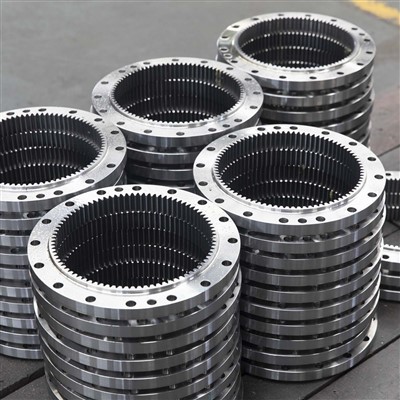
If you are interested in purchasing humanoid robot skeletons or have any questions about our security measures, please feel free to contact us for further discussion. We are committed to providing high – quality products and services to meet your needs.
Robot Joint Actuators References
- Electrical Safety Standards: International Electrotechnical Commission (IEC) standards
- Secure Coding Practices: Common Weakness Enumeration (CWE) and Secure Coding Guidelines by OWASP
- Network Security: NIST Cybersecurity Framework
Jiangsu Zhengfang Dynamics Technology Co., Ltd.
As one of the most professional humanoid robot skeleton manufacturers and suppliers in China, we’re featured by quality products and good price. Please rest assured to buy customized humanoid robot skeleton made in China here from our factory. Contact us for pricelist.
Address: Building 3, No. 69 Feitian Avenue, Jiangning District, Nanjing City, Jiangsu Province
E-mail: hanks.liu@zfdynamics.com
WebSite: https://www.zhengfangdongli.com/
